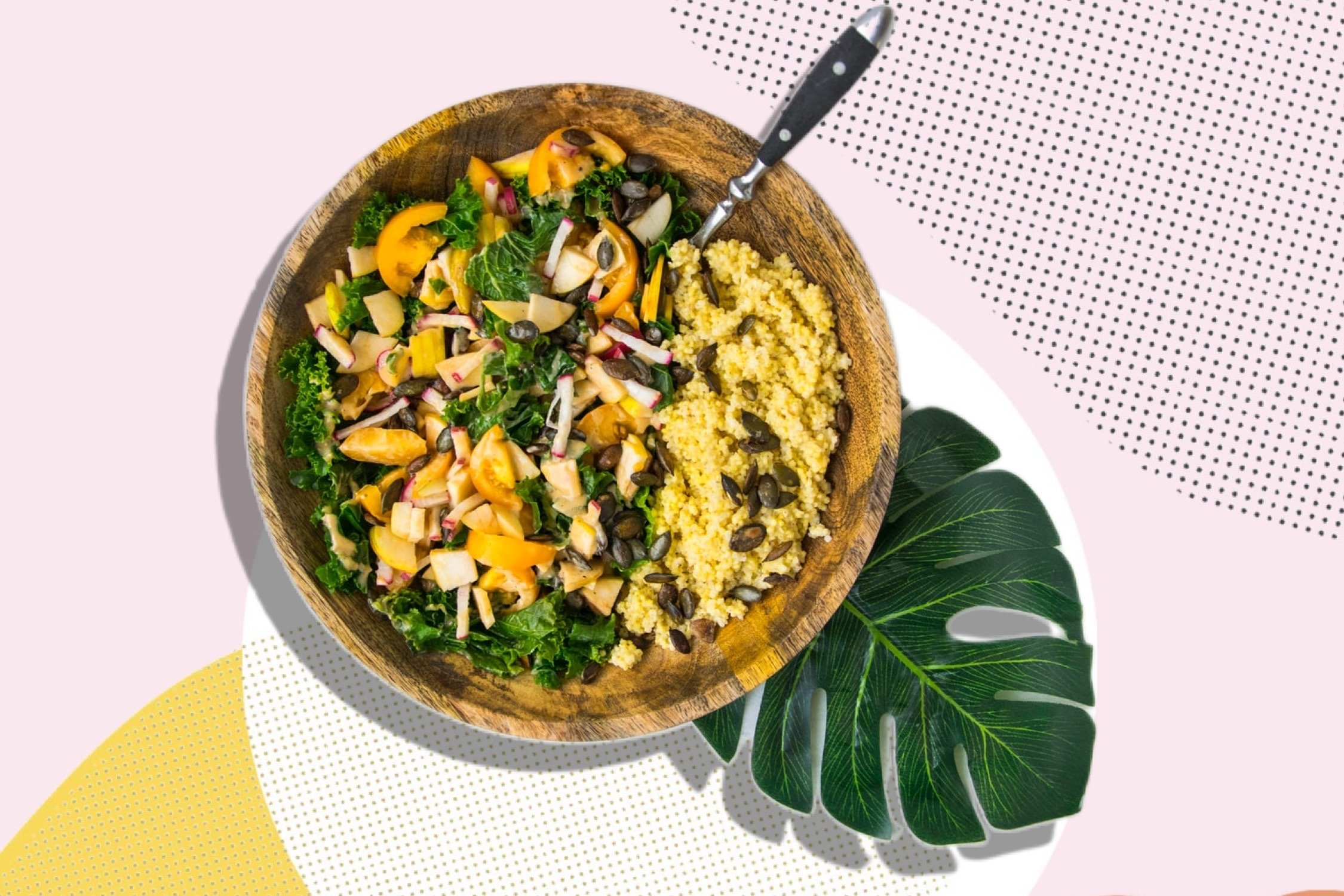
Plant-based eating not only provides health benefits, but it’s also incredibly protective for the environment. Having a diet rich in plant-based sources is becoming increasingly common, especially with younger generations driving the sustainability narrative. Relying on plant-based foods as a primary food source can have a massive effect, and if we all choose plant-based options even a few times a week, we can change the world. The greatest journey starts with the smallest step.
Co-Founder and Head of Nutrition at Huel, James Collier answers some common questions about plant-based eating.
What is a plant-based diet?
A plant-based diet is a diet that consists mainly of foods from plants. Such foods include fruits, vegetables, nuts, seeds, legumes and whole grains. Meat intake is minimal if any. There are many reasons why people eat a plant-based diet including environmental, ethical and health concerns. I am not suggesting to eliminate meat from a person’s diet completely, however, reducing meat and animal food consumption is one of the quickest and simplest ways an individual can reduce their carbon footprint.
What foods should we eat to achieve the daily recommended nutrients, vitamins, minerals on a plant-based diet?
There are some easy ways to ensure that you can get the recommended amounts of all nutrients with a plant-based diet. Just follow these guides.
Eat the rainbow
As different color foods usually contain different levels of nutrients, it’s important to keep variety in your diet. For example, the phytonutrient, lycopene which is an antioxidant protects your body against cell damage and gives tomatoes its red color. While carotenoids, another group of antioxidants usually found in carrots, give fruits and vegetables an orange color.
Get enough Vitamin B12
Vitamin B12 plays a vital role in helping the body produce red blood cells, but it is usually perceived as tricky to get enough of with a plant-based diet. The good news is, it’s really not. As a start, try incorporating plant-based milks that are fortified with B12, calcium and vitamin D. Cereals, meat alternatives, and some soy products are often fortified with B12 too. Taking a B12 supplement also helps.
Ensure adequate omega-3 consumption
If oily fish is not part of your eating plan, then foods like walnuts, soy and flaxseeds are ways to ensure adequate omega 3 consumption. Flaxseed is one of Huel’s six main ingredients and contains the omega-3 essential fatty acid ALA. Adequate omega-3 consumption is important to support cardiovascular health, but it is generally low in a Western diet.
Keep your iron up
Iron is not just found in meat. Dark leafy greens, nuts, and dried fruits are great sources of iron too. Iron is crucial for oxygen transport, cognitive function and the immune system. Iron from plant sources can be harder to absorb, but again, there’s no need to worry. Iron absorption can be increased by the presence of vitamin C which is found in lots of fruits and vegetables such as oranges and peppers. It’s where the idea of having orange juice with breakfast comes from – to increase the iron that is added to cereals.
Huel contains 280% of the nutrient reference value using only plant sources. Although this looks high, it’s to account for the bio availability of iron and it’s interaction with other nutrients, which can also affect its absorption.
How do you transition to plant-based eating?
Whether your motivation to increase plant-based foods is to improve your health or to reduce environmental footprint, incorporating higher amounts of plant-based foods can be achievable.
Make small changes over time
Start by eating one plant-based meal a day. This will be easier to stick with rather than making large, unsustainable changes overnight. If preparing a nutritious meal in the middle of the day is not easily achievable, and your nearby lunchtime corner shop leaves you limited with health plant-based or vegan options, then Huel is a good, convenient, and nutritious meal option. It’s a nutritionally complete meal provides all 27 essential vitamins and minerals with an ideal macro-nutrient split, and good quality carbohydrates, fats and protein.
Make some easy fridge swaps
A good place to start is by swapping dairy milk with almond or oat milk such as Oatly. The rapidly growing plant-based meat industry lead by Beyond Meat and Impossible Foods is also providing shoppers with plenty of options.
Change your mindset
Instead of thinking, “I can’t eat meat,” think about all the wonderful things you can eat and how beneficial these are for your health (and the planet). Stop focusing on meat as the hero on your plate and rather, build your plate with new and nutritious food choices.