
What a great time for female entrepreneurs: We are delighted to share with you features and essays written by super women with inspiring careers and businesses that are reshaping our economy and the way we consume. They share their journey, the process it took them to get to where they are now and what they’ve learnt along the way. Welcome to Modern Mentors.
It was the summer of 2015, a few friends and I volunteered at an animal sanctuary in New Jersey and we played around with the idea of creating vegan wool. As someone who loved fashion all her life, I had been secretly waiting for fashion to catch up to the sustainable, ethical movement. The idea of making vegan fashion more omnipresent and accessible to this generation of conscious consumers is exciting to me and I was disheartened by the lack of options that were available to people who were transitioning to a plant-based lifestyle like myself.
The inspiration
I did work with garments, but not in the way of sourcing and developing, so there was an initial learning curve. My background has been in fashion on the sales-buying side. I definitely saw a big shift in fashion where many luxury brands were increasingly moving their business online and innovative e-commerce brands like AYR, Kit & Ace, Bonobos, and ADAY were surfacing. I also felt like a hypocrite spending my personal time championing veganism and environmentalism while placing these huge orders for fur-trimmed parkas.

So I left fashion all together with not a clear intention to ever go back. I also drew a lot of inspiration from my late mother, who was an entrepreneur in her own right and was my role model for all things. I compiled a binder full of ideas and research and set out to pursue this elusive idea of vegan wool, totally unsure if something even remotely close to wool can be achieved.
The challenges
It took more than a year to put together my initial designs, approve samples, and move into production while keeping my full-time job. I remember spending hours crafting my first email to a supplier which I didn’t end up sending at all. I wasn’t sure what was the right way to approach the email.
I quickly learned that every (serious) supplier will ask you about your minimum, target retail price, and lead time. The process also varies depending on the country that you manufacture in.
Maker’s Row is a great resource to find new suppliers based right here in the US and they give you a wonderful overview into the production process. As someone new to tech packs and pattern making, I used Belinda’s techpack.co. She has amazing, easy-to-use templates which saved me countless hours and dollars.

The day that I placed my official production order was the same day I was laid off from my job. My initial thought was “gosh, the obstacles never end” but I also knew that this was the way it was meant to be. Realistically, I probably would have never left that job on my own, so I think everything happens for a reason. This quote resonated with me at the time-
“Don’t let the fear of the time it will take to accomplish something stand in the way of your doing it. The time will pass anyway; we might just as well put that passing time to the best possible use” by Earl Nightingale
To others in the same boat, here’s some advice that I would like to share on the initial stages of my business, currently:
Bootstrap what you can
There’s no need to spend thousands of dollars on a branding agency in the beginning because your brand will most likely continue to evolve and change. Create something simple and as time passes and you experience growth, you can refine it further.

Find your community
I’m part of two female founder collectives. The two organizations have introduced many wonderful friendships with other female founders. Find your community, even if it’s online.
Build your audience, the sooner the better
Set up a simple lead page that states your company’s mission and welcome others to be a part of the mission. People love giving feedback, but it’s a lot harder to get paying customers. If you allow people to become a part of the process, they are more likely to support your business.
About
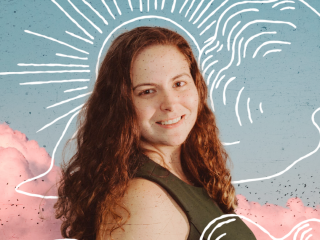
Annie Chang is the founder of Or/else, a sustainable and ethical fashion brand that offers plant-based garments. Before launching her own brand, she worked in the traditional fashion industry for ten years as a buyer and sales manager. She discovered her love for fine knitwear while wokring as an intern for a New York-based label called Twinkle. She has been vegan for six years. She’s a true a New Yorker at heart but currently resides in Los Angeles with her husband and son.